
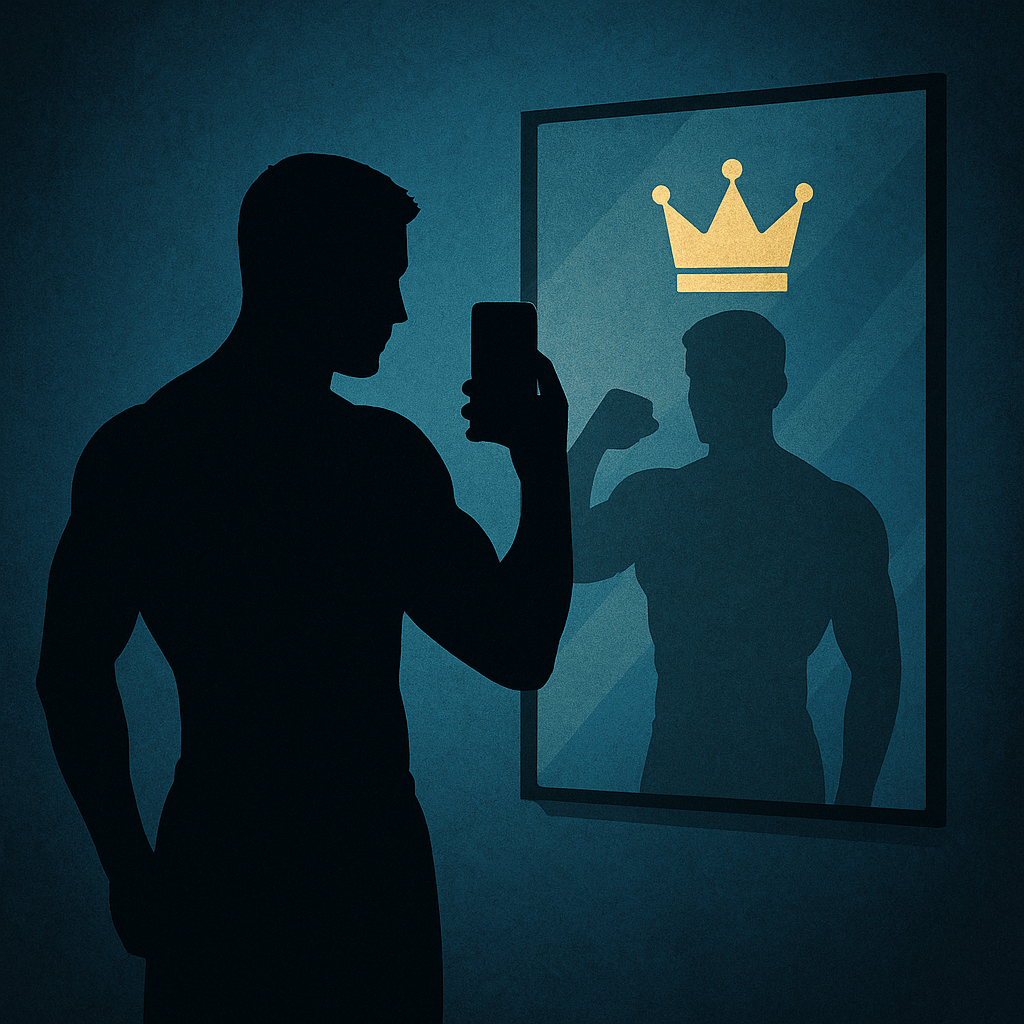
In an age where everyone is performing for the algorithm, even masculinity has become a brand. The so-called “alpha male” — once symbolizing quiet strength, inner discipline, and purpose — has been reimagined online as a caricature of status, aesthetics, and superficial dominance. Scroll through social media, and you’ll find countless men flexing lifestyles of luxury, women, and material success, believing that the more “alpha” you appear, the more respect you command.
But what we’re witnessing isn’t strength — it’s the illusion of it.
The modern “alpha” has become a social media construct, one that thrives on external validation rather than internal mastery. Surrounded by attention, likes, and fleeting admiration, many of these self-proclaimed leaders of men have lost sight of what leadership truly means. The constant chase for approval — whether through aesthetics, followers, or women — is a symptom of the very weakness it seeks to hide.
The Psychology Behind the Twisted Alpha
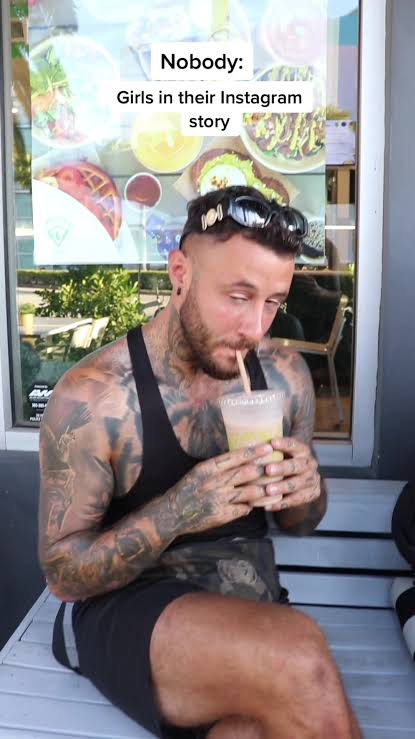
It’s funny — or maybe tragic — how predictable the behavior has become. That meme of a tattooed guy sipping his drink, eyes half-closed, mimicking the classic “Instagram girl” pose captures it perfectly.
At its core, this new “alpha” identity is a psychological defense mechanism — a reaction to insecurity in a world where confidence is measured by engagement. Social media didn’t just give everyone a voice; it gave everyone a stage, and with it, the pressure to perform.
Masculinity has become performative. The metrics of strength and purpose are now likes, comments, and social currency. Many men confuse attention for achievement — mistaking visibility for value.
The tragedy is that every validation hit feels like progress, but it’s not. It’s dependence. The more one seeks approval, the more fragile the self becomes.

The Cultural Roots of the “Alpha” Myth
Then there’s this image of a truck half-jacked into a ditch — captioned “Nobody: Girls in Instagram.” It’s ridiculous and brilliant at the same time. Because it’s true: men have become the same truck, just painted (posing) differently.
The “alpha” idea originally came from observing wolf packs. But the true alpha wasn’t a brute — he was a protector. A stabilizer. A father figure.
Pop culture twisted that into domination and sexual success, and social media put it on steroids.
Now the “alpha” isn’t a leader; he’s an actor. A performer in the endless play of status and vanity.
He flexes, he posts, he poses — just like the women he mocks.
The loudest man in the room used to be the weakest. Today, he’s also the most visible.

The Mirror: Men Have Become the Same Thing They Mock
The irony is sharp. The same men who once laughed at filters, thirst traps, and attention-seeking posts are now doing identical things — just with a “masculine” twist. The flexed gym selfies, the exaggerated lifestyles, the motivational captions — they’re no different from the behaviors they criticize.
It’s a mirror — and not an easy one to look into.
When men chase attention under the disguise of dominance, they step into the same trap they mock. What’s lost is authenticity, quiet confidence, and purpose.
Of course, unless you’re actually building something — a brand, a business, a vision — showing up online isn’t inherently wrong.
Visibility with purpose is strategy; visibility without it is just self-promotion.
And if your physique happens to be part of your craft — training, coaching, or sport — that’s alignment, not arrogance. The problem begins when exposure becomes the end goal rather than the by-product of value.
Women seeking attention from the opposite sex can be understood — society has rewarded them for it, often through the quiet machinery of objectification that men themselves engineered.
But when men start mimicking the same performance, the irony becomes complete. The ones who built the stage now dance upon it — chasing the same applause they once dictated.
And hey, don’t get me wrong — there’s nothing wrong with being in great shape.
Just like it’s natural to check the bottom of a car before making a purchase, to make sure there’s no rust on it.
But here’s the real question:
If you aim or claim to be the alpha, the buyer, the one in control —
Aren’t you supposed to be buying the car, not trying to sell one?
Because the moment you start advertising yourself, you’ve already slipped from being the product of discipline to becoming a product of validation.
Although the influence of environment is unquestionable, we should not forget how Qur’anic discussions about modesty do not focus solely on women.
They also establish that part of a man’s moral responsibility lies in controlling what he sees and how he presents himself.
Classic Islamic legal works — such as “Rules Related to Covering” in A Code of Ethics for Muslim Men and Women — even argue that a man should avoid exposing his chest, arms, or other parts with the intention of drawing attention.
True modesty, therefore, is not gendered — it’s a form of discipline and dignity that guards the self from becoming a performance.

Redefining Strength: From Validation to Vision
And finally — the classic meme: “When you see girls like this on Instagram, remember who owns the boat.”
It’s a humorous gut-punch, but also a wake-up call. Because that’s the real distinction between attention and power — between performance and purpose.
True strength doesn’t need to show itself off.
True confidence doesn’t require an audience.
True leadership doesn’t depend on admiration — it earns it, quietly.
Masculinity isn’t about domination anymore — it’s about direction.
It’s not about how many eyes are on you — it’s about what you’re building when no one is watching.
A woman shouldn’t be a distraction from your mission; she should be a reflection of it.
The right one doesn’t just stand beside you — she moves in the same direction, with shared purpose and aligned values.
When you know your values, you stop chasing validation.
When you have a vision, you stop performing.
When you find direction, you stop attracting chaos.
Because the strongest men today aren’t the ones shouting online, flexing on camera, or collecting attention like currency —
They’re the ones quietly building something real.
If this article resonated with you or sparked any emotions, don’t miss out on what’s coming next. We’re bringing you more inspiring stories, expert guidance, and fresh perspectives to help you lead a purposeful and balanced life. Subscribe today and be the first to get these enriching articles sent straight to your inbox! Wishing you an amazing week ahead. Stay inspired! Be great!
Images: Chat GPT, Google & Reddit
Leave a Reply