
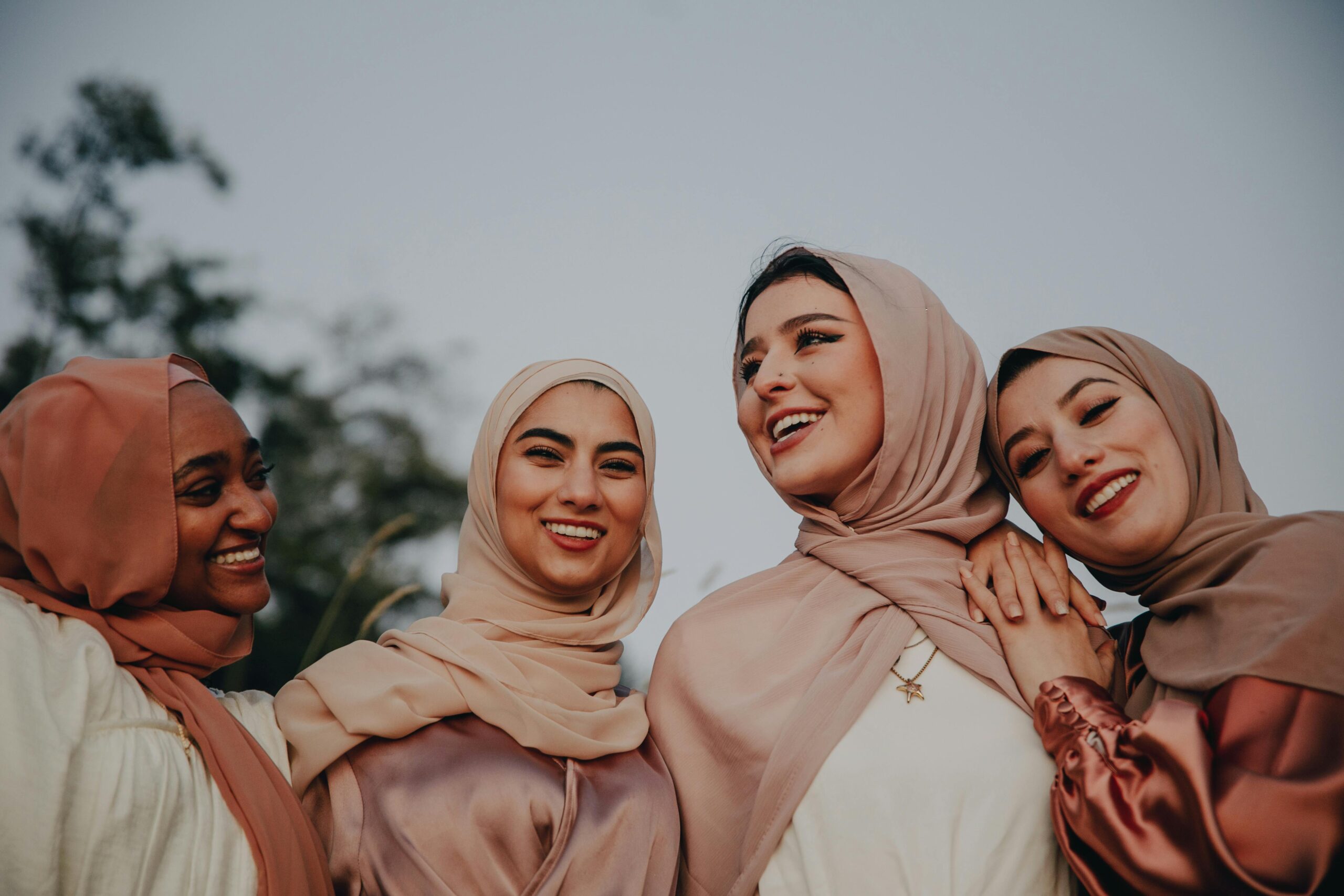
And one of His signs is that He created for you spouses from among yourselves so that you may find comfort in them. And He has placed between you compassion and mercy. Surely in this are signs for people who reflect.
— Qur’an 30:21
Relief, tranquility, and mercy are inherently mutual concepts—none of them can exist where one partner’s experience is systematically ignored.
Introduction
Across cultures and centuries, women’s pleasure has too often been minimized, misunderstood, or ignored. Yet pleasure—particularly orgasm—is not a trivial or indulgent topic. It is a matter of health, dignity, equality, and justice. When we talk openly and respectfully about women’s orgasms, we are not promoting sensationalism; we are advocating for fairness, bodily autonomy, and holistic well‑being.
This article explores why women’s orgasms matter—not only to individuals and relationships, but to societies committed to positive growth.
Pleasure as a Human Right
At its core, the ability to experience pleasure in one’s own body is a human right. Sexual wellbeing is recognized by global health organizations as an essential component of overall health. When women are denied education, agency, or support around their own pleasure, a fundamental inequality is reinforced: the idea that women’s bodies exist for others, not for themselves.
Justice begins with acknowledging that women’s sexual experiences are as valid and important as anyone else’s.
The Pleasure Gap in Numbers
In heterosexual intercourse, orgasm is often treated as an automatic outcome—yet the data tells a different story. Large survey research shows that men report orgasming in approximately 90–95% of vaginal intercourse encounters, while women hopefully do so in roughly 60–65%, and in some contexts significantly less.
Men: ~95% | Women: ~60%
Same encounter. Different expectations.
According to Finland’s Väestöliitto FINSEX study (based on self-reported survey responses), about 46 % of women report usually or almost always reaching orgasm during intercourse, compared with around 93 % of men.
This gap is not explained by biology alone. It reflects differences in education, expectations, communication, and how sexual encounters are structured.
In traditional, intercourse-centered sexual cultures, women reach orgasm in approximately one out of every three instances of intercourse—not due to a lack of desire or capacity, but because of how sex has been culturally defined and practiced.
When sexual interaction expands beyond intercourse into a broader, experience-based understanding of intimacy, differences between cultures narrow rapidly.
In Islamic tradition, women’s pleasure is not forbidden—often quite the opposite—yet cultural practice does not always follow theology.
The Health Dimension
Women’s orgasms are closely linked to physical and mental health. Research consistently connects pleasurable sexual experiences with:
• Reduced stress and anxiety
• Improved sleep and mood
• Stronger immune response
• Better pelvic health and body awareness
When pleasure is neglected or stigmatized, women may disconnect from their bodies, ignore discomfort, or delay seeking care. Normalizing women’s orgasms supports preventive health and self‑knowledge.
Emotional Wellbeing and Self‑Worth
Pleasure is not only physical—it is emotional. For many women, learning what brings pleasure is deeply tied to confidence, self‑trust, and self‑esteem. When cultural norms treat women’s orgasms as unimportant or “optional,” it subtly teaches women to lower their expectations, silence their needs, and accept imbalance.
Reclaiming pleasure is an act of self‑respect. It says: my experience matters.
Relationship Equity
In intimate relationships, the so‑called “pleasure gap” reflects broader patterns of inequality. When one partner’s satisfaction is consistently prioritized over another’s, imbalance becomes normalized.
Valuing women’s orgasms encourages:
• Open communication
• Mutual care and curiosity
• Consent that is enthusiastic, not assumed
• Relationships based on reciprocity rather than obligation
Fairness in the bedroom often mirrors fairness everywhere else.
Cultural Growth and Social Change
Talking openly about women’s pleasure challenges outdated norms that associate virtue with silence or sacrifice. It invites a more compassionate culture—one that sees sexuality as a source of connection, creativity, and vitality rather than shame.
How a culture understands sexuality shapes how intimacy is lived. Norms around modesty, gender roles, and sexual expression influence not only what is permitted, but what is expected—or quietly ignored. When women’s pleasure is treated as secondary or “optional,” this message is often absorbed without explicit instruction, reinforced through silence rather than prohibition.
This tension between values and lived practice can also be seen in religious contexts that are often assumed to safeguard women’s wellbeing. Despite the common belief that women’s sexual needs are inherently well addressed within Islamic marriages—given the tradition’s strong emphasis on women’s dignity, mutual rights between spouses, and compassion in intimate life—lived experiences vary widely.
Classical Islamic teachings highlight kindness, consideration, and mutual satisfaction between partners. Yet, as in many traditions, cultural norms, gender expectations, and limited sexual education can sometimes overshadow these principles. The challenge is rarely the absence of values, but whether they are consistently translated into everyday practice.
This gap between ideals and experience is not unique to any one culture or faith. It appears wherever sexuality is shaped more by habit and inherited scripts than by open understanding and mutual curiosity. Cultural growth begins when assumptions are questioned, when silence gives way to education, and when intimacy is understood as a shared responsibility rather than an unspoken imbalance.
For societies committed to positive growth, this shift matters. When individuals are encouraged to understand their own bodies and honor their partner’s experience, intimacy becomes a source of connection rather than frustration. Cultural change does not require abandoning values—it requires living up to them. Empowered individuals make healthier choices, form more respectful relationships, and contribute more fully to their communities.
Education as Empowerment
Comprehensive, inclusive sexual education is key. When girls and women are taught accurate information about their bodies—including pleasure—they gain tools for safety, agency, and joy. Education dismantles myths, reduces fear, and replaces silence with understanding.
Knowledge is justice in action.
Conclusion: Pleasure as Progress
Women’s orgasms are not a luxury, a joke, or a footnote. They are a signal of autonomy, health, and equality. Honoring them is about more than sex—it is about building a world where women’s needs, voices, and experiences are fully valued.
At PositiveGrowth.fi, growth means embracing the whole human experience. When women are free to experience pleasure without shame, everyone benefits. Fairness deepens. Justice expands. And growth becomes truly positive.
This exploration is just the beginning. In Part II — Practical Pathways to Women’s Pleasure — we will move from awareness to action, uncovering strategies, communication approaches, and intimacy techniques that help partners create shared pleasure and deeper connection.
If this exploration resonated with you, stay tuned for Part II where we turn awareness into action and mutual understanding into shared fulfillment. Subscribe now to be among the first to receive these enriching articles straight to your inbox and make today your best one yet.
Image: Pexels.com
Leave a Reply